Beautiful in Sundarbans Mangrove Forest
Mangrove forests are among the most unique and important ecosystems on Earth. These forests grow where salty seawater meets freshwater from rivers, creating a rich and diverse natural environment. One of the most famous examples is the Sundarbans, the largest mangrove forest on the planet.
🌿 The Beauty of Mangrove Forests
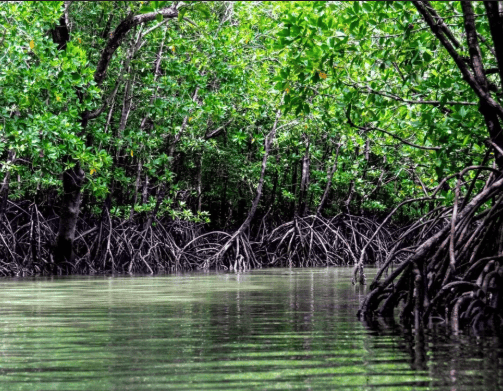
Mangrove forests are not just collections of trees—they are living, breathing ecosystems. You will find:
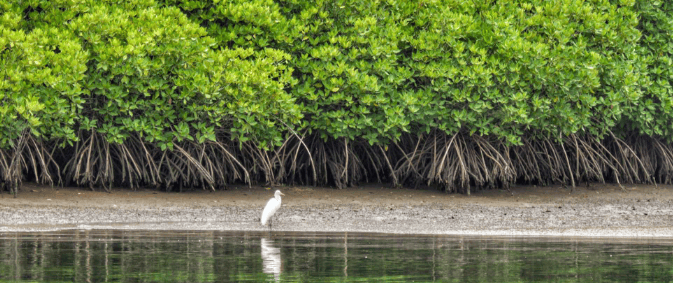
- Unique trees with roots rising above the water
- Dense green vegetation
- A calm yet mysterious atmosphere
During sunrise and sunset, mangrove forests become especially breathtaking, as the light reflects beautifully on the water and through the trees.
🐾 Rich Biodiversity
Mangrove forests are home to a wide variety of wildlife. In the Sundarbans, you can find:
- The Royal Bengal Tiger 🐅
- Crocodiles 🐊
- Deer 🦌
- Numerous bird species 🐦
This incredible biodiversity makes mangrove forests essential for maintaining ecological balance.
🌊 Natural Protection
Mangrove forests act as a natural shield for coastal areas. They help:
- Reduce the impact of cyclones and storm surges
- Prevent soil erosion
- Protect coastal communities
In countries like Bangladesh, mangroves have saved countless lives by reducing the damage from natural disasters.
🌱 Importance for the Environment
Mangroves play a crucial role in combating climate change by absorbing large amounts of carbon dioxide. They also serve as breeding grounds for fish and other marine life, supporting both ecosystems and local economies.