Exploring the Serenity of Mangrove Forests
Mangrove forests are one of nature’s most peaceful and fascinating landscapes. Found along tropical and subtropical coastlines, these forests thrive where land and water meet. A perfect example is the Sundarbans, a UNESCO World Heritage site known for its breathtaking beauty and ecological importance.
🌿 A Unique Coastal Ecosystem
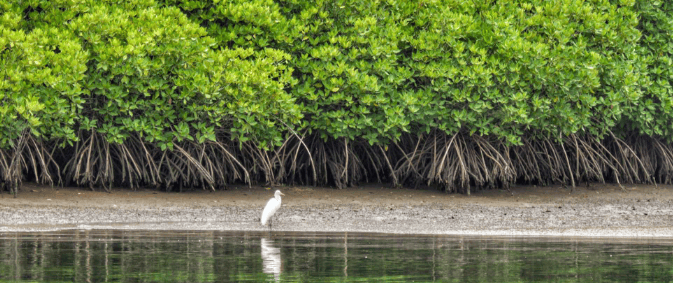
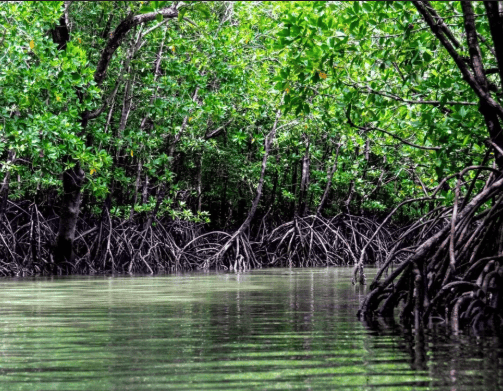
What makes mangrove forests so special is their ability to survive in salty and muddy environments. Their twisted roots rise above the water, creating a stunning natural pattern. These roots not only support the trees but also provide shelter for many small aquatic creatures.
Walking or boating through a mangrove forest feels like entering a quiet, untouched world. The gentle sound of water, the rustling leaves, and the distant calls of birds create a truly calming experience.
🐟 Life Beneath and Above
Mangrove forests are full of life both above and below the water. The roots act as nurseries for fish, crabs, and shrimp, while the trees are home to birds and mammals. In the Sundarbans, wildlife includes:
- Colorful kingfishers and migratory birds
- Playful monkeys and spotted deer
- Rare and powerful Royal Bengal Tigers
This mix of land and marine life makes mangroves incredibly diverse and valuable.
🌊 Guardians of the Coast
Mangrove forests play a vital role in protecting coastal regions. Their dense roots and trees act as barriers against strong waves and storms. During cyclones, they absorb much of the impact, helping to reduce damage to nearby communities.
They also trap sediments, which helps build and stabilize the coastline over time.